

Our Services

- 首页
- 关于我们
- 行业服务
- 会员服务
- 宣传服务
- 招商服务
- 品牌服务
- 行业研究
- 中国楼宇经济全球合作大会
- 标准化
- 会员中心
- 新闻中心
- 会员动态
- 行业动态
- 促进会动态
- 信息公开
- 信息公开
- 政策法规
- 专业委员会
- 写字楼专委会
- 商业运营专委会
- 专业服务专委会
- 人才服务专委会
- 绿色发展专委会
- 楼宇党建专委会
- 文旅产业专委会
- 物业创新专委会
- 新兴产业专委会
- 资源合作专委会
- 资本服务专委会
- 品牌合作专委会
- 公共服务专委会
- 联系我们
行业活动
关于我们
- 请选择你的应用数据
![]()
新加坡国际旅游展览会ITB Asia 2026中国特邀买家计划
![]()
2026年斯里兰卡国际会展博览会(SLMICE Expo)中国买家邀请函
![]()
欢迎参展2026新加坡国际旅游展览会(ITBAsia2026),搭建中国展台,促进中国入境旅游发展
![]()
2026津巴布韦桑加奈世界旅游博览会中国买家邀请函
![]()
关于邀请出席中国国际商会会员系列活动—尼泊尔专场经贸交流会的通知
![]()
2026年亚洲奖励旅游展(IT&CMAsia)
![]()
2026意大利-中小企业家论坛
![]()
Go-Global Service
The Go-Global service content of CBEIC is supporting Chinese associations and their members to construct the entire chain of demands for enterprises' internationalization. Its aim is to provide professional and systematic support. The following are the core service modules: 1.Policy Interpretation and Market Analysis CBEIC organizes special learning sessions, releases policy compilations od different countries and cities on attracting investment, and holds country-specific investment promotion events to help enterprises understand domestic and international policies and regulations. At the same time, it provides industry analysis of target markets, risk warnings, and opportunity assessments to assist enterprises in making scientific decisions. Various information sessions, seminars, and promotion events are held. 2.Resource Connection and Platform Empowerment CBEIC plays the role of a bridge, establishing an online and offline service platform. The online platform integrates functions such as information, policies, and enterprise databases, providing one-stop information query and connection services. Offline, through organizing or hosting industry exchange meetings, cross-border cooperation forums, overseas visits and other activities, we aim to facilitate precise connections between enterprises and overseas investment promotion agencies, industrial chain partners, and professional service providers. 3.Full-process Implementation Support Services CBEIC, in collaboration with professional institutions, provides a one-stop solution covering aspects such as overseas company registration, location selection, taxation, finance, legal compliance, and intellectual property protection for enterprises‘ overseas operations. CBEIC works for Chinese associations for their plans such as "grouped overseas expansion" and "cross-border express lanes" to reduce the costs and risks associated with enterprises operating independently. 4.Capital and Financial Support CBEIC is establishing a capital empowerment system. By connecting with financial institutions, launching cross-border financial products, and establishing special funds, it provides financing support and risk management tools for enterprises to go global. 5.Brand Building and Talent Cultivation CBEIC assists Chinese associations and their enterprises in conducting international brand promotion and exposure. For instance, it achieves this by creating economic interview programs and collaborating with international communication platforms to enhance the international influence of the enterprises. At the same time, projects such as organizing technical training, recruiting overseas talents, and establishing vocational education cooperation have been carried out to reserve human resources for the enterprise‘s internationalization. 6.Compliance Risk Control and Legal Assistance In the face of the complex international environment, CBEIC collaborates with law firms, consulting agencies, etc., to conduct exchanges on legal affairs and taxation, assist Chinese association and their enterprises members in establishing a global compliance system, and provide continuous legal consultation and risk protection services. CBEIC 's Go-Global service has evolved from a simple information transmission to a three-dimensional service matrix integrating government, market and professional institution resources, covering multiple aspects such as "resource linkage, on-ground support, and capital empowerment", aiming to systematically enhance the success rate and risk-resistance capability of enterprises' overseas expansion. On March 11th, 2026,an exchange meeting between Chinese and Sri Lanka industry associations and international organizations was successfully held in Colombo, organized by the Sri Lanka National Convention Bureau. The Chinese association delegation from 15 industries including tourism, mining, engineering construction, economy, agriculture, energy, medicine and urban sciences. The Deputy Minister of Industry and Entrepreneurship Development of Sri Lanka, Hon, Chathuranga Abeysinghe attended the meeting and made his presentation supporting two countries’ association executives networking for collaborations. One to one meeting was held for project discussions. The “Association Home" salon has been hosted every month. With the theme of “Associations Collaboration for Win-Win Cooperation", the salon on April15 held a cooperation, exchange and discussion meeting at the headquarters of the Beijing Office of the World Canal Historical Culture City Cooperation Organization (WCCO) in Beijing. Mr. Chen Jun, the executive vice president and secretary-general of the China Asian Economic Development Association, Alicia Yao, the vice chairman of the China Congress of Association and Chamber of Commerce( CCACC) , Mr. Wang Hujun, the deputy secretary-general of WCCO and Mr. Liu Wenyong, the vice president of the Beijing Yangzhou Enterprise Chamber of Commerce, and other association executives from various fields in China, jointly explored new development opportunities for Go-Global and drew a new blueprint for cooperation.

![]()
新加坡国际旅游展览会ITB Asia 2026中国特邀买家计划
2026-07-07![]()
2026年斯里兰卡国际会展博览会(SLMICE Expo)中国买家邀请函
2026-07-07![]()
欢迎参展2026新加坡国际旅游展览会(ITBAsia2026),搭建中国展台,促进中国入境旅游发展
2026-07-07![]()
2026津巴布韦桑加奈世界旅游博览会中国买家邀请函
2026-07-07![]()
关于邀请出席中国国际商会会员系列活动—尼泊尔专场经贸交流会的通知
2026-06-15![]()
2026年亚洲奖励旅游展(IT&CMAsia)
2026-06-07![]()
2026意大利-中小企业家论坛
2026-05-07![]()
Go-Global Service
The Go-Global service content of CBEIC is supporting Chinese associations and their members to construct the entire chain of demands for enterprises' internationalization. Its aim is to provide professional and systematic support. The following are the core service modules: 1.Policy Interpretation and Market Analysis CBEIC organizes special learning sessions, releases policy compilations od different countries and cities on attracting investment, and holds country-specific investment promotion events to help enterprises understand domestic and international policies and regulations. At the same time, it provides industry analysis of target markets, risk warnings, and opportunity assessments to assist enterprises in making scientific decisions. Various information sessions, seminars, and promotion events are held. 2.Resource Connection and Platform Empowerment CBEIC plays the role of a bridge, establishing an online and offline service platform. The online platform integrates functions such as information, policies, and enterprise databases, providing one-stop information query and connection services. Offline, through organizing or hosting industry exchange meetings, cross-border cooperation forums, overseas visits and other activities, we aim to facilitate precise connections between enterprises and overseas investment promotion agencies, industrial chain partners, and professional service providers. 3.Full-process Implementation Support Services CBEIC, in collaboration with professional institutions, provides a one-stop solution covering aspects such as overseas company registration, location selection, taxation, finance, legal compliance, and intellectual property protection for enterprises‘ overseas operations. CBEIC works for Chinese associations for their plans such as "grouped overseas expansion" and "cross-border express lanes" to reduce the costs and risks associated with enterprises operating independently. 4.Capital and Financial Support CBEIC is establishing a capital empowerment system. By connecting with financial institutions, launching cross-border financial products, and establishing special funds, it provides financing support and risk management tools for enterprises to go global. 5.Brand Building and Talent Cultivation CBEIC assists Chinese associations and their enterprises in conducting international brand promotion and exposure. For instance, it achieves this by creating economic interview programs and collaborating with international communication platforms to enhance the international influence of the enterprises. At the same time, projects such as organizing technical training, recruiting overseas talents, and establishing vocational education cooperation have been carried out to reserve human resources for the enterprise‘s internationalization. 6.Compliance Risk Control and Legal Assistance In the face of the complex international environment, CBEIC collaborates with law firms, consulting agencies, etc., to conduct exchanges on legal affairs and taxation, assist Chinese association and their enterprises members in establishing a global compliance system, and provide continuous legal consultation and risk protection services. CBEIC 's Go-Global service has evolved from a simple information transmission to a three-dimensional service matrix integrating government, market and professional institution resources, covering multiple aspects such as "resource linkage, on-ground support, and capital empowerment", aiming to systematically enhance the success rate and risk-resistance capability of enterprises' overseas expansion. On March 11th, 2026,an exchange meeting between Chinese and Sri Lanka industry associations and international organizations was successfully held in Colombo, organized by the Sri Lanka National Convention Bureau. The Chinese association delegation from 15 industries including tourism, mining, engineering construction, economy, agriculture, energy, medicine and urban sciences. The Deputy Minister of Industry and Entrepreneurship Development of Sri Lanka, Hon, Chathuranga Abeysinghe attended the meeting and made his presentation supporting two countries’ association executives networking for collaborations. One to one meeting was held for project discussions. The “Association Home" salon has been hosted every month. With the theme of “Associations Collaboration for Win-Win Cooperation", the salon on April15 held a cooperation, exchange and discussion meeting at the headquarters of the Beijing Office of the World Canal Historical Culture City Cooperation Organization (WCCO) in Beijing. Mr. Chen Jun, the executive vice president and secretary-general of the China Asian Economic Development Association, Alicia Yao, the vice chairman of the China Congress of Association and Chamber of Commerce( CCACC) , Mr. Wang Hujun, the deputy secretary-general of WCCO and Mr. Liu Wenyong, the vice president of the Beijing Yangzhou Enterprise Chamber of Commerce, and other association executives from various fields in China, jointly explored new development opportunities for Go-Global and drew a new blueprint for cooperation.2026-04-22

![]()
会员服务

![]()
宣传服务

楼宇经济大讲坛
楼宇慧城市沙龙
Entering Sri Lanka to Assist Chinese Enterprises in Exploring New Paths of Overseas Cooperation
Sri Lanka, with its strategic hub connecting the East and West and an increasingly optimized investment environment, is becoming an important springboard for Chinese companies to explore overseas markets. On March 11th, the China Sri Lanka Industry Association and International Organization Representative Exchange Conference, hosted by the Sri Lanka National Convention Bureau and others, was successfully held in the capital Colombo. The Chinese delegation comes from 15 industries including tourism, mining, engineering and construction, economy, agriculture, energy, medicine, and urban industries. Both sides discussed how to deepen cooperation between industry associations and enterprises of the two countries, and exchanged the advantages and prospects of Chinese enterprises investing and developing in Sri Lanka. Sri Lanka, known as the "pearl of the Indian Ocean", has a unique geographical location and a long tradition of maritime trade. It is a must pass destination for East West shipping and can radiate to regions such as South Asia, the Middle East, Southeast Asia, and East Africa. As an important node of the 21st Century Maritime Silk Road, Sri Lanka has outstanding geographical advantages and significant investment potential in industries such as shipping and logistics. In recent years, China and Sri Lanka have broad prospects for cooperation in traditional fields such as processing and manufacturing, agriculture, fisheries, and tourism, as well as new business models such as green energy and digital economy. At present, the Sri Lankan government urgently hopes to achieve economic recovery and growth by attracting foreign investment, promoting exports and tourism. Dheera Hettiarachchi, Chairman of the Sri Lankan National Convention Bureau, delivered a welcome speech. Jayantha Gallehewa, President of the Sri Lanka Professional Association, delivered a speech. Yao Hong, Vice Chairman of the Business Exhibition Industry Committee of the China Chamber of International Commerce, introduced the core opportunities for China Industry Association's exhibition activities to go global. Since the beginning of 2024, the trend of exhibition activities organized by Chinese industry associations going global has continued to heat up, and Chinese industry exhibition activities have moved from the "domestic home field" to the "global stage". Chinese industry associations create more business opportunities and build more economic and trade bridges connecting China and foreign countries in organizing exhibitions and conferences. The core opportunities for China's industry association exhibition activities to go global are mainly reflected in three aspects: firstly, the outbreak of demand in emerging markets, which has become the core increment for going global. Emerging markets such as ASEAN, the Middle East, Africa, and Latin America have a strong recovery momentum and are currently in the stage of accelerated industrialization and urbanization, with strong demand for products such as machinery and equipment, new energy, building materials, and consumer goods; Secondly, the trade environment continues to optimize, and the threshold for going global is steadily decreasing. RCEP、 The China Europe CAI and other regional trade agreements continue to deepen, the level of cross-border trade facilitation continues to improve, and the efficiency of customs clearance of exhibition materials and personnel exchanges has significantly increased. At the same time, the process of restructuring the global industrial chain is accelerating, and multinational enterprises are promoting regional layout; Thirdly, there is a significant gap in the supply of international exhibitions, and Chinese enterprises have outstanding advantages. After years of development, China's exhibition industry has formed mature exhibition experience and a complete supply chain system. The exhibition cost is 20% -30% lower than that of European and American enterprises, and the application of digital technology is leading, which can effectively fill the supply gap in the international market and enhance the international competitiveness of China's exhibition industry. Sri Lanka, as an exhibition destination, has been actively building its attractiveness in the fields of international conferences, incentive tourism, conferences, and exhibitions (MICE) in recent years. Colombo is the main venue for exhibitions in Sri Lanka, with modern venues such as the Sri Lanka Exhibition & Convention Centre, Bandaranaike International Convention Centre (BMICH), and the Asia New Exhibition Centre of City of Dreams. Through the exchange of industry association representatives from China and Sri Lanka, it is expected to consolidate and expand the strategic partnership between the two countries. In the keynote speech segment, representatives from various industry associations in Sri Lanka and China conducted in-depth exchanges on traditional medicine, logistics and shipping, agricultural development, engineering and construction, green energy conservation, tourism, urban industries, and other fields, exploring the direction and development opportunities of bilateral cooperation. Representatives from 7 industry associations and international organizations in China, the World Federation of Chinese Medicine Societies, the Port and Shipping Supply Chain Branch of the China Federation of Logistics and Purchasing, the Foreign Exchange Committee of the China Asian Economic Development Association, the China Building Energy Conservation Association, the All-China Federation of Industry and Commerce Urban Infrastructure Business Association, the Zhongguancun the Belt and Road Industry Promotion Association, and the Innovation and Development Working Committee of the China Private Science and Technology Industrialists Association respectively shared topics. Wang Jing, Assistant Secretary General of the World Federation of Chinese Medicine Societies, shared on the industrial development, international cooperation, and challenges of traditional medicine. Sri Lanka has a long history of Ayurvedic medicine and is considered an Eastern treasure along with Chinese traditional medicine. Based on the mission of promoting the international dissemination and development of traditional Chinese medicine, the Federation looks forward to deepening cooperation with Sri Lanka in three major areas, including promoting mutual recognition between China and Sri Lanka in traditional medicine standards and efficacy evaluation. We are willing to share our experience in developing international standards to assist Sri Lanka's traditional medicine in going global; Encourage enterprises from both countries to establish joint ventures and jointly develop herbal health products. Utilize the global communication network established by the Federation to jointly build a "Green Channel for Traditional Medicine Trade"; We plan to cultivate high-level talents for Sri Lanka by organizing medical, skill training, and qualification exams at all levels. At the same time, promote the landing of China's advanced traditional Chinese medicine extraction technology and quality control technology in Sri Lanka, and enhance its industrialization level. Faced with challenges such as the lack of international standards, insufficient scientific evidence, talent gaps, and cultural cognitive differences in the traditional medical industry. We propose to introduce the "research+standards" model into Sri Lanka, jointly publishing high-quality results and enhancing international recognition; Relying on the talent exchange and remote training services of the Federation, we will promote the mutual recognition of credits between Chinese and Sri Lankan universities, establish a "cloud based renowned doctor studio", and enable young Sri Lankan doctors to seek advice from Chinese masters in real time to solve the problem of uneven distribution of resources; Seeking resonance between traditional Chinese medicine and Ayurveda in the "holistic concept", and enhancing public recognition through joint free clinics, academic journal promotion, and other means. This year, the Federation will also launch a series of exchanges in South Asia and hold the "South Asian Traditional Medicine Conference" in Colombo, aiming to build Sri Lanka into a hub for cooperation in South Asian traditional medicine. Li Yan, Executive Deputy Secretary General of the Port and Shipping Supply Chain Branch of the China Federation of Logistics and Purchasing, and Deputy General Manager of Modern Logistics Magazine, hopes to jointly build an efficient and smooth logistics and supply chain "physical corridor" between China and Sri Lanka through the joint efforts of "industry organizations+professional media", and build a "Communication bridge" for information sharing, trust and mutual learning. She said that we need to promote the integrated development of port logistics and port related industries. Our port operation and shipping logistics member enterprises have rich experience and can help improve the operational efficiency of Hambantota Port and Colombo Port, especially in the construction and operation of smart ports, and carry out practical cooperation with Sri Lanka. Ensure the supply chain of major infrastructure projects. Sri Lanka's construction industry continues to develop, with broad demands in areas such as transportation, energy, and livelihood projects. This can effectively link Chinese building materials and metal circulation enterprises, and mutually benefit cooperation with the Sri Lankan project. Create a unique supply chain for aquatic products. China is the world's largest consumer market for aquatic products and also has a large number of professional cold chain logistics enterprises. In the future, we can explore full traceability supply chain cooperation from aquaculture to refrigerated transportation and sales to Chinese dining tables, and use e-commerce and new retail channels to help Sri Lankan tuna, sea cucumber and other high-quality products enter Chinese households. Carry out communication and cooperation between logistics and supply chain media. I hope that Modern Logistics Daily can have more dialogue and exchanges with Sri Lankan media, jointly organize international logistics and supply chain activities, promote dialogue and exchanges between logistics and supply chain enterprises of the two countries, regularly organize enterprise visits, and increase mutual understanding and business opportunities docking. Tang Shuwei, Secretary General of the Foreign Exchange Committee of the China Asia Economic Development Association, stated in her keynote speech that China and Sri Lanka have strong economic complementarity, broad cooperation space, and enormous potential. They can focus on promoting cooperation in five major directions: talent cultivation, industrial investment, market connectivity, industrial upgrading, and mechanism docking. Relying on universities, vocational colleges, and industry associations, we will jointly establish training bases, conduct joint scientific research, and promote experience sharing in fields such as agricultural technology, digital economy, green energy, and port logistics. Focusing on advantageous fields such as port economy, modern agriculture, textile and clothing, tourism and cultural creativity, and new energy, we will support enterprises from both countries to establish joint ventures and jointly build industrial parks and production bases. Make good use of platforms such as the China International Import Expo, Canton Fair, and South Asia Expo to help Sri Lankan tea, gemstones, rubber, seafood, and other high-quality products enter the Chinese market; Promote cooperation between customs, inspection and quarantine of the two countries, simplify customs clearance processes, reduce trade costs, and improve logistics efficiency. We will carry out mature and applicable technology transfer and joint innovation in the fields of green and low-carbon, digital infrastructure, intelligent manufacturing, and deep processing of agricultural products. Assist Sri Lankan enterprises in improving production efficiency, product quality, and added value, enhancing international competitiveness, and promoting the transformation from resource exports to high value-added manufacturing. Share China's practical experience in park operation, business environment optimization, supply chain management, risk prevention and control, and provide full process support such as policy consultation, project planning, and implementation services. At the same time, in the process of promoting cooperation, facing the three major challenges of policy environment uncertainty, high supply chain costs, and foreign exchange risk pressure, the committee plays a bridging role and promotes the establishment of policy communication and information sharing mechanisms between the two countries; Establish a professional legal service team to provide compliance consulting, risk assessment, dispute resolution, and reduce institutional transaction costs for enterprises; Promote the "park+project" model, use standardized parks to carry out industrial landing, provide one-stop services, and simplify the landing process. Relying on the global network of the Asian Trade Center, build a platform for displaying and trading goods between China and Sri Lanka, and facilitate supply and demand docking; Coordinate Sri Lanka's tariff reform and gradual cancellation of import surcharges, guide enterprises to make good use of tax incentives, and reduce the cost of importing raw materials and equipment; Promote cooperation among ports, shipping, and logistics enterprises, optimize the multimodal transport system, and enhance the resilience and efficiency of the supply chain. Collaborate with financial institutions to develop credit, insurance, and guarantee products suitable for small and medium-sized projects, promote local currency settlement pilot programs, and reduce dependence on the US dollar; Connect with multilateral development agencies and bilateral cooperation funds to provide long-term low-cost financing for major projects; Establish a risk sharing mechanism, guide enterprises to use exchange rate hedging tools, and operate steadily. Zou Yanqing, Executive Deputy Secretary General of China Building Energy Efficiency Association, stated in her sharing that the Chinese building energy efficiency industry is developing rapidly, but still faces a series of deep-seated major challenges in achieving comprehensive green transformation. These challenges are mainly reflected in the difficulty of transforming the huge stock, the complex transformation of energy consumption structure, the extensive operation and management, and the special difficulties in rural areas. Although China and Sri Lanka are separated by mountains and rivers, they have a long friendship. China is comprehensively promoting Chinese path to modernization with high-quality development. Sri Lanka is also steadily moving forward on the road of national reconstruction, showing greater resilience and potential. The Sri Lanka Green Building Council (GBCSL) has always been at the forefront of promoting sustainable practices in the construction industry. Through the initiatives of the Green Building Council, we aim to transform the built environment into a more sustainable and healthy community space. The Green Building Council of Sri Lanka (GBCSL) also advocates for the production of environmentally friendly products, encourages manufacturers to adopt sustainable practices, reduces their impact on the environment, and minimizes the adverse effects of the manufacturing process. By promoting the use of environmentally friendly products, GBCSL ensures that Sri Lanka's construction industry complies with sustainable development principles. I hope to work with colleagues in Sri Lanka to research better technological systems and more energy-efficient materials to solve the problem of green transformation and development. Jointly hold the China Sri Lanka Green Building and "Good House" High Quality Development Forum. Han Xue, Deputy Secretary General of the All China Urban Infrastructure Chamber of Commerce, said that as a national social organization for urban construction and services related to infrastructure, the chamber is mainly composed of enterprises involved in the entire industry chain of urban construction and services, including planning and consulting, planning and design, investment and financing, engineering construction, industrial cultivation, and operation and maintenance services. The China Urban Infrastructure Investment and Development Annual Conference is a brand event of the All-China Urban Infrastructure Chamber of Commerce. It was founded in 2014 and has been successfully held for ten sessions as of 2025. Previous themes closely follow the economic and industry development situation, such as "New and old infrastructure, dual wheel drive" (2020), "New infrastructure and digital economy" (2021), and "Focusing on new goals for urban development and seizing new opportunities for urban construction" (2025). The annual meeting aims to provide members with a professional platform for authoritative sharing, information exchange, opportunity discovery, and collaborative development. I hope that the China Sri Lanka Urban Infrastructure Investment and Development Annual Conference can go abroad through the Global Service Platform of the All-China Urban Infrastructure Chamber of Commerce and explore the joint organization of the China Sri Lanka Urban Infrastructure Investment and Development Forum. In addition, relevant institutions and enterprises from Sri Lanka are also welcome to actively participate in events such as the "International Green Building and Building Energy Efficiency Conference and New Technology and Product Expo" and the "China Urban Water Development International Symposium and New Technology Equipment Expo" hosted by the All-China Urban Infrastructure Chamber of Commerce. Liu Fang, Deputy Secretary General of the Cooperation Professional Committee of the Association of Zhongguancun the Belt and Road Industry Promotion Association, introduced that as the core position of China's scientific and technological innovation, Zhongguancun the Belt and Road Industry Promotion Association has been carrying the gene of openness and cooperation since its birth. It not only delves deep into China's Silicon Valley, but also serves as an open platform connecting global innovation resources. The Beijing Action Plan for Scientific and Technological Innovation along the Belt and Road (2025-2027) issued by the Beijing Municipal Science and Technology Commission and the Management Committee of the Zhongguancun the Belt and Road Industry Promotion Association has injected new impetus into the international layout of the enterprises of the Zhongguancun the Belt and Road Industry Promotion Association. In the future, we will have more enterprises entering Sri Lanka to carry out deeper technology transfer and industrial cooperation in fields such as agriculture, healthcare, and infrastructure construction. In particular, the "Vine Plan" of the Promotion Association provides real workplace practice opportunities for international students through internship docking, inspection and training, and entrepreneurial incubation, allowing them to personally participate in project operations of Chinese technology enterprises and transform textbook knowledge into problem-solving skills; Leading young people into the entrepreneurship incubator on Zhongguancun Entrepreneurship Street, visiting the laboratory of the technology enterprise park, and having face-to-face communication with entrepreneurs; We will provide comprehensive support for international students with entrepreneurial intentions, from refining business models to matching entrepreneurial funds, from policy interpretation to market promotion. Ou Yongchao, Chairman of the Innovation and Development Working Committee of the China Private Technology Entrepreneurs Association, believes that the committee is committed to building international exchange bridges and promoting private enterprises to "go global" and share opportunities with global partners. Deepen knowledge exchange and jointly cultivate and develop talents. We can establish a mechanism for exchange and mutual visits between think tanks, experts, and entrepreneurs. Organize seminars, training, and inspection activities around areas of concern in Sri Lanka such as digital economy, smart cities, and modern agriculture. Promote joint venture cooperation and achieve industrial prosperity. We encourage strong Chinese private enterprises to invest and establish joint ventures with local enterprises in Sri Lanka. Focus on the following directions: jointly developing marine and tourism resources to enhance added value; Cooperate to develop the information technology industry, build software parks, and cultivate local IT talents; Exploring PPP models in the field of infrastructure, introducing advanced Chinese technology and equipment to help Sri Lanka improve its level of connectivity. Promote trade facilitation and smooth economic circulation. We will leverage the platform of the association to organize Chinese private enterprises to participate in the Sri Lanka Commodity Fair, and invite Sri Lankan enterprises to participate in large-scale exhibitions such as the Canton Fair and Import Expo. Promote the docking between the two countries in terms of quality standards, customs procedures, etc., reduce trade barriers, make it more convenient for high-quality products such as Sri Lankan black tea and gemstones to enter the Chinese market, and also enable China's high-tech products to better serve the people of Sri Lanka. Strengthen technology transfer and stimulate innovation vitality. With the support of both governments, we can explore the establishment of a China Sri Lanka Science and Technology Park or Innovation Center as a platform for technology transfer and industrial incubation. We will focus on promoting cooperation in renewable energy, agricultural technology, marine technology and other fields, and encourage Chinese private enterprises to cooperate with Sri Lanka's scientific research institutions and universities for joint technology research and development and achievement transformation. Focus on capacity building and solidify the foundation of development. We will support Chinese private enterprises in fulfilling their social responsibilities and assist Sri Lanka in cultivating local talents, especially in the digital economy era, by establishing scholarships and conducting vocational training to help young people master digital skills. The association is willing to cooperate with the Sri Lankan government, National Convention Bureau, Sri Lankan Chamber of Commerce, and industry associations to jointly organize exchange activities such as the China Sri Lanka Business Technology Innovation Forum. World Historic and Cultural Canal Cities Cooperation Organization (WCCO), along with international organizations and associations from China such as Grand Canal Media, China Natural Rubber Association, China Aquatic Products Circulation and Processing Association, China Smart Engineering Research Association, and Beijing Photography Art Association, had written exchanges with Sri Lanka. Wang Huijun, Deputy Secretary General of WCCO and Chief Editor of Grand Canal Media. In 2009, Yangzhou, together with nearly 100 canal cities at home and abroad, initiated the establishment of the World Canal Historical and Cultural Cities Cooperation Organization (WCCO) to promote economic and cultural exchanges between world canal cities and effectively promote the successful application of China's Grand Canal for World Heritage status. Make every effort to build the World Canal City Forum brand. Establish a "World Canal Ancient Town Cooperation Mechanism", a "Canal City Boutique Scenic Area Cooperation Mechanism", and a "World Canal City Hospital Cooperation Mechanism". Explore media and promote the international dissemination of canal culture. Creatively collaborating with media groups to establish an international communication media platform - Grand Canal Media, dedicated to promoting international dissemination and exchange of canal culture through diversified communication channels. And constructed a multimedia matrix led by WCCO's Chinese and English website, the "Canal City" Chinese and English client, edited the "Voice of the River" magazine, formed a communication alliance with dozens of international mainstream media, and achieved multi-channel international communication layout. Hope to promote the formation of friendly cities between Chinese cities and Sri Lankan cities; Inviting leaders from the Sri Lankan government, enterprises, and associations to attend major events in China; Promoting major international conferences and events to be held in Sri Lanka, such as the World Canal City Hospital Cooperation Mechanism Forum, where attendees are mostly top hospital directors, top medical experts, and renowned pharmaceutical companies from around the world. This will have significant implications for promoting the development of Sri Lanka's exhibition and medical industries; Forming an international communication alliance with Sri Lankan media, the friendship between the country lies in people to people matchmaking, and people to people matchmaking lies in mutual understanding. International media communication is an essential link. Peng Yuanming, Chairman of the Supervisory Board of China Natural Rubber Association. As early as 1952, China and Sri Lanka signed the famous "Rubber Rice Pact", exchanging rice for rubber. This is not only an important beginning of economic and trade cooperation between the two countries, but also a history of "true friendship in times of hardship" witnessed by natural rubber. At present, China's natural rubber industry is in a critical stage of transitioning from "scale expansion" to "high-quality development", and has become a globally influential producer and consumer power. We are striving to build a green, efficient, and safe natural rubber industry system to better ensure the stability of the industrial and supply chains, while actively responding to the requirements of global climate governance and sustainable development. I hope to further strengthen cooperation and exchanges under the joint promotion and organization of both associations. One is to strengthen the exchange of industrial information and technology. Establish a normalized industry exchange mechanism, regularly conduct technical seminars, industry dialogues, and enterprise exchange activities. The second is to promote industrial investment and joint venture cooperation. Build a platform for enterprise cooperation and docking, actively promote investment cooperation and joint venture projects between both parties in the fields of natural rubber processing, high-end rubber product manufacturing, industrial park construction, and industrial chain extension. The third is to promote trade facilitation and market cooperation. Relying on the industry resources and organizational advantages of both associations, we will strengthen communication and coordination, timely reflect the demands of enterprises, promote the improvement of the trade environment, create more stable, transparent and efficient trade conditions for enterprises, and further expand the market cooperation space between the two countries. The fourth is to strengthen talent cultivation and capacity building. By organizing various forms such as training courses, technical exchange activities, industry forums, and enterprise visits, we promote the exchange of professional and management talents, enhance the professional capabilities of the industry talent team, and provide solid talent support for the long-term development of the natural rubber industry. Sun Yaling, Deputy Secretary General of the China Aquatic Products Circulation and Processing Association. The fishery cooperation between China and Sri Lanka is accelerating and deepening under the framework of the "Blue Partnership". The cooperation mode has shifted from traditional fishing operations to a diversified pattern covering technology output, joint scientific research, investment and construction of factories, and ocean governance. Last month, the Chinese ambassador met with the Sri Lankan minister and reiterated their commitment to technical assistance in sustainable fisheries development and marine resource management. The association hopes to actively promote dialogue and exchanges between the two countries' aquatic circulation and processing enterprises, regularly organize mutual visits between enterprises, and increase mutual understanding and business opportunities. In June, the association will jointly organize the "China Sri Lanka Aquatic Products Trade Matchmaking and Investment Negotiation Conference" with the Sri Lanka Export Development Authority to promote aquatic trade between the two countries, further understand the specific preferential investment policies in the local fishing industry, clarify cooperation details, establish a China Sri Lanka fishing enterprise docking platform, and promote the effective implementation of cooperation between the two sides. Xie Yijiong, Executive Member of the China Intelligent Engineering Research Association. In terms of international cooperation and partnership, the seminar attaches great importance to the opportunities of bilateral cooperation between China and Sri Lanka, and regards Sri Lanka as a key partner in the "the Belt and Road" smart field cooperation. The traditional friendship between China and Sri Lanka is profound, with strong complementarity in areas such as digital economy, education and technology, ecological environment protection, and intelligent infrastructure, and broad cooperation space. Focus on five major cooperation directions: firstly, knowledge exchange, jointly building a Sino Sri Lanka Smart Engineering Joint Think Tank, conducting academic seminars, expert visits, joint scientific research, and sharing experience in smart technology research and industrial development; The second is joint ventures, which promote Sino Sri Lankan enterprises to jointly build factories in the fields of smart education equipment, intelligent water management, green energy, etc., and implement localized production and operation to drive local industrial development; The third is trade facilitation, building a smart product and technology trade platform, simplifying the customs clearance process for smart education equipment, intelligent solutions and other products, and promoting smooth bilateral trade; The fourth is technology transfer, transferring mature technologies such as smart education, digital governance, and drinking water safety treatment to Sri Lanka to help break through technological bottlenecks; Fifth, capacity building. Relying on the "the Belt and Road" vocational education project, we will jointly build Luban workshops and smart education training bases to train professionals in information technology, engineering technology, digital education and other fields for Sri Lanka, and strengthen talent reserves. At present, the Chinese aid to Sri Lanka's education digital transformation project has been officially launched, and the research association will deeply participate in it, promote the construction of smart classrooms, share digital teaching resources, and help Sri Lanka's high-quality education development. Liu Dong, director of the Beijing Photography Art Association. As the core organizer of this event, Ms. Achini from the Sri Lanka National Convention Bureau coordinated the entire process and ensured the successful holding of the event with a professional and rigorous attitude. Sri Lanka has abundant tourism resources, ranging from the millennium sky palace scenery of Lion Rock, to the holy Buddha light of Kandy Buddha Temple, from the misty clouds of high mountain tea gardens, to the historical charm of the ancient city of Galle. It has unique value in natural scenery, cultural history, and ecological tourism, and has broad prospects for internationalization of tourism resources. From the perspective of the Photography Art Association, unique materials such as the traditional skills of stilt fishermen, the cultural atmosphere of tea picking in tea gardens, and the dreamy atmosphere of sea trains can be focused on to create image works with international dissemination power. Both sides can deepen cooperation on issues such as image shooting route planning and cultural content integration and dissemination, and promote Sri Lanka's tourism resources and enhance cultural exchanges between the two countries through images. Mr. Chathuranga Abeysinghe, Deputy Minister of Industry and Entrepreneurship Development of Sri Lanka, who specially attended the conference, made a presentation. Sri Lanka has identified five key investment source markets worldwide, and China will be one of the largest investment markets in Sri Lanka. Most association organizations have strong capabilities in various fields and have proven their strength in the global market. In terms of products, Sri Lanka has a range of high-quality products exported globally; In the service sector, the tourism industry, marine industry, and technology industry are rapidly rising. In addition to traditional industries, the local government is actively promoting agricultural value-added and exploring new tourism formats, especially in the field of health tourism, to help Sri Lanka build a high-end tourism destination. Therefore, we hope to find partners to jointly promote various undertakings. We are making a lot of efforts to ensure that Sri Lanka can be closely connected with the rest of the world, minimizing bureaucracy and having digital technology to enable efficient investment operations. We have adjusted our tariff policy and will implement new tariff policies starting this year, which will help us establish cooperative relationships with the African market, Indian market, and East Asian market. Meanwhile, Sri Lanka maintains political neutrality, which enables us to cooperate with Western, Eastern, European, and Middle Eastern countries. For Chinese investors, this will be a springboard to enter the Indian and African markets. Before the meeting, a Sri Lankan lighting and prayer ceremony with a strong South Asian flavor was held. In recent days, the delegation has also entered Colombo Port City, a key project of the "the Belt and Road" jointly built by China and Sri Lanka. Building this important hub of the 21st Century Maritime Silk Road. Port City is the largest foreign direct investment project in Sri Lanka to date. The project is invested, constructed and operated by China Harbour Engineering Co., Ltd., a subsidiary of China Communications Construction Group Co., Ltd. It has been selected as one of the "Five New Cities that Will Influence the Future" by Forbes magazine in the United States.对话国际专家:会展业的未来在于打破孤岛,创造涟漪
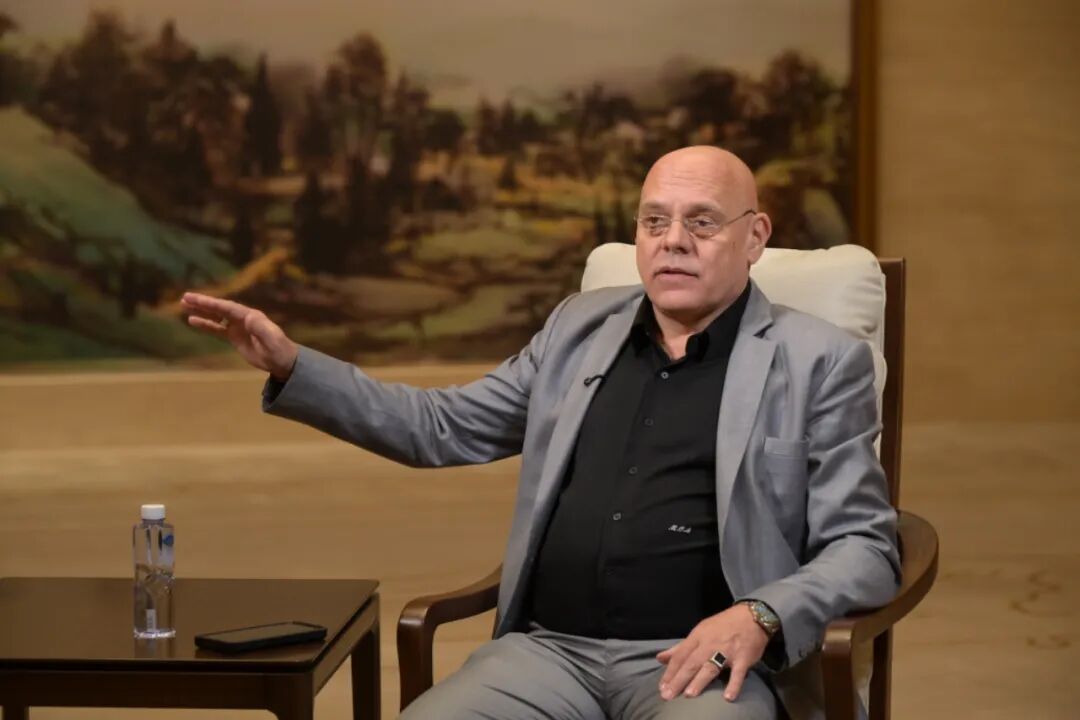
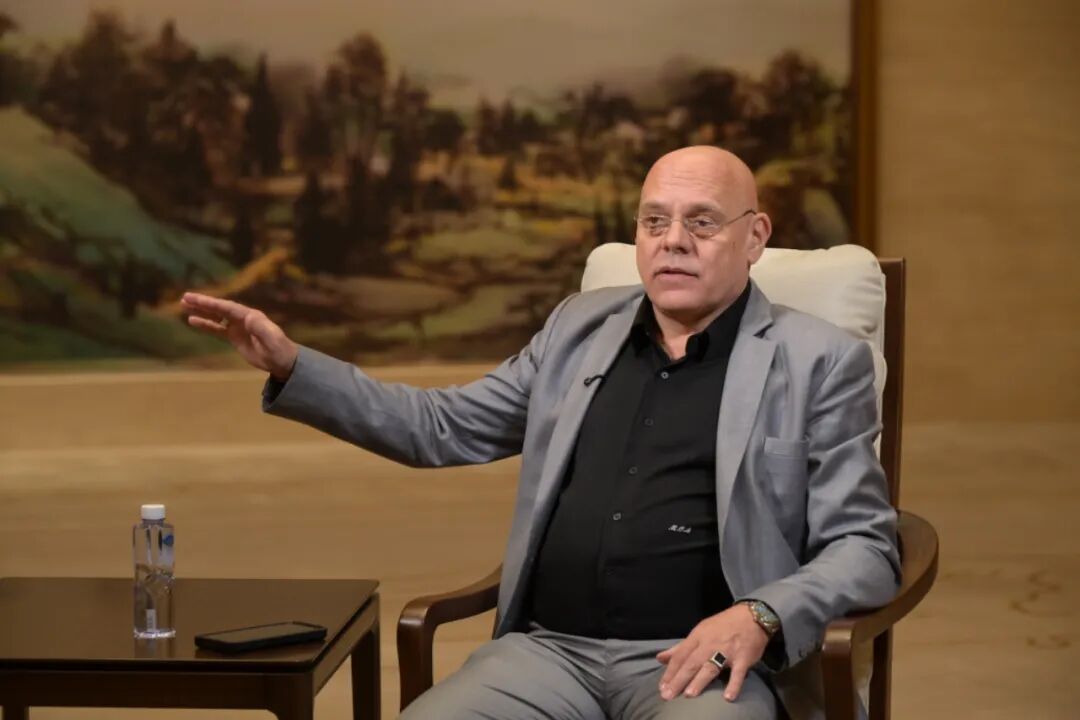
在国家会议中心二期的会议厅内,刚刚结束一场关于场馆未来的激烈讨论。本届由ICCA(国际大会及会议协会)与北辰集团联合举办的世界场馆论坛,汇集了全球的声音。作为行业智库机构,北辰会展研究院在会议同期,面向全行业发起了一项互动调研,试图捕捉会展领域最真实的脉搏与共识。调研结果显示:行业的焦点高度集中且指向明确:人工智能和数字化转型以近八成(79.66%)的关注度成为最受瞩目的议题;在重构收入模式上,近同样比例的行业人士(79.66%)将票投给了多元化非会展活动收入;而关于场馆的城市角色,超过八成的共识(83.05%)认为,其核心在于推动本地产业与全球资源的对接。这些来自广泛行业的反馈,清晰地勾勒出当下最关切的趋势——技术赋能、多元经营与深度链接。2025在国家会议中心气派高挑的大厅中,我们遇到了Mark Oliver Schloesser——一位拥有数十年全球场馆规划与运营经验的德国专家。作为本次论坛的特邀嘉宾,他刚与来自全球的同行们进行了一场执行对话。我们抓住间隙,与他聊了聊他眼中的中国场馆、行业本质与未来,而他的见解,恰好与这场广泛调研所揭示的趋势形成了深刻的互文与印证。采访一开始,Mark就对论坛本身和北京会展业的支持力度表示赞赏。“我今早很惊讶地看到北京市副市长也在场,这让我印象深刻,也说明了会展行业对政府和这座城市有多重要。”可持续性如何落地: 从设计之初就必须植入的基因国家会议中心二期的发展轨迹在Mark看来是一个教科书般的案例。“我刚开始与国家会议中心二期合作时它还很原始、很普通,最初完全是个建筑工地。”如今,这个场馆已成为集会议、展览、商业、办公于一体的综合体。Mark特别强调了它从冬奥会媒体中心转型为综合场馆的过程,认为这种“有目的的改造”体现了真正的可持续思维。在论坛的问卷调研中,可持续发展与绿色建筑主题获得了30.51%的关注度。而Mark对此的理解更为深刻:“可持续性不是附加项,而应从项目构思的第一天就融入DNA。”他解释说,场馆建设初期就应考虑ESG和可持续性,思考设施未来能实现什么。遗憾的是,直到今天,真正从一开始就全面考虑这些的项目并不多。“他们开始时可能目标很高,但随后遇到资金和成本问题,这些高目标就会逐渐缩水。”Mark指出行业普遍困境。然而,他认为国家会议中心二期是个例外:“他们从一开始就考虑了可持续性,建造的方式、使用的材料、先作为冬奥会媒体中心再转型为场馆——这非常有意义和目的性。”Mark将国家会议中心二期视为如何将可持续性融入规划的典范。投资回报率的迷思: 场馆的真正价值在哪里当被问及场馆盈利难题时,Mark的回答出人意料地坦诚:“如果客观来看,场馆在房地产方面并不是一项好的投资。”他今天在一次执行对话中传递了一个核心信息:我们需要摆脱对投资回报率的过度关注。论坛调研数据显示,在“重构战略收入模式”方面,79.66%的受访者最关注多元化非会展活动收入,67.8%关注数据资产化与会员经济模式。这与Mark的观点不谋而合。他认为场馆的真正价值不在ROI,而在其对社会和社区的经济涟漪效应。“Michael Kruppe今天早些时候提到,在他的场馆花费1美元,会在周边社区转化为12美元的消费。这就是场馆创造的非凡价值。”这一观点解释了为何全球许多政府是场馆的拥有者和投资者。“场馆的价值在于其对社会的经济涟漪效应,而不仅是账面上的投资回报。”Mark总结道。他以国家会议中心二期为例,说明多元化组合如何创造价值:“国家会议中心二期有个很好的组合:场馆本身、商场、办公楼和酒店。这个小型生态系统本身就创造了很多价值。”因此,他倡导建立会展区或会展综合体,让场馆不是孤立的,而是融入更大的城市规划中,这样投资回报会更好、更快、更大。技术不是炫技: AI如何真正服务场馆运营人工智能和数字化转型主题在论坛调研中以79.66%的关注度高居榜首。对此,Mark有自己的见解:“我看到很多情况是,他们引入技术只是因为别人在用。”他反对盲目跟风的技术投资,强调必须预先定义目标,然后寻找最能满足目标的技术。“这样首先能控制预算,因为你不会盲目地投资所有东西,而是有针对性地投资于你真正需要、真正能为你创造收益的技术。”Mark特别区分了两类技术投资:一类是如AI支持的维护系统,虽不直接增加收入,但提升运营安全和效率;另一类是智能CRM系统,能直接帮助增加收入。“一个好的CRM系统能让客户觉得‘他们很了解我,服务很周到’,这会直接影响你的收入。”他说。调研中,74.58%的受访者关注AI在“提升运营效率与节能降耗”方面的应用,69.49%关注“个性化客户体验与精准营销”,与Mark的见解高度契合。他进一步补充,技术选择需考虑长期性:“你不想投资一个两三年后就过时的技术。”Mark建议尽量找一个能提供广泛功能的单一供应商,将所有功能整合到一个或两个系统中,创建一个技术生态系统,让所有组件能够相互通信、反馈,并可按需管理。本地智慧与国际视野: 全球化时代的场馆运营当讨论国际化合作时,Mark强调了本地化的重要性。“你不能仅仅依靠国际事务或国际人员来运营场馆,你需要本地专业知识,需要本地团队的支持。”论坛调研显示,50.85%的受访者对“国际合作与资源对接”主题感兴趣。Mark以自己的经验为例,说明如何平衡本地与国际。他分享了在雅加达运营ICE(国际会展中心)的经验:“我们有一个混合团队:国际总经理,但销售总监、财务总监、采购总监等全都是本地人。只有总经理和副总经理是国际人员。我认为这是本地知识与领导力与国际知识与领导力之间的良好结合。”他坦言,每个国家都有自己的文化和独特的处事方式。“中国客户有特定的处事方式,而国际客户则因国家而异。”这种对文化差异的敏感,正是国际顾问的价值所在。“作为顾问,我们处于中间位置,努力将所有观点汇集起来,形成大家都能认同的方案。”自办活动的可能性: 破解场馆利用率难面对“场馆实际上并不盈利”的现实,Mark指出行业面临的一个挑战是“场馆容量过剩”。“每个人都想拥有一个大场馆,不停地建,现在面临场馆容量过剩,却没有足够的活动来填满它们。”调研中,30.51%的受访者认为“打造场馆自带活动”是未来会展场馆应优先发展的方向之一。Mark对此表示赞同:“场馆自主办活动是个非常好的主意。”他以欧洲多个成功场馆为例,如德国的汉诺威、柏林、慕尼黑、杜塞尔多夫,法国的巴黎,西班牙的巴塞罗那、马德里,“他们都有自己的场馆,也运营自己的活动,这绝对是可行的。”但他也提醒,关键是要找到差异化定位。“你是想复制一个现有的活动,还是与现有的活动组织者合作,共同把活动做大?”Mark建议场馆方应深入思考本地产业需求。“看看下一个五年计划,政府希望发展哪些产业?是否有匹配的活动?如果没有,那么这就是你的机会。”他认为,北辰团队拥有这样的专业知识,因为他们已经在很多活动中做得非常出色。协同机制的价值: 连接碎片化资源的枢纽在讨论如何吸引更多国际活动时,Mark指出了协同机制的重要性:“你需要一个官方机构、一个权威部门,有人负责对外营销城市目的地,同时协调内部所有资源。”在论坛调研中,83.05%的受访者认同“会议中心的核心是推动本地产业与全球资源的对接”。这恰恰需要一个强有力的协同机制来实现。Mark解释道,争取国际活动落地涉及庞大协调工作:需要与市级政府协调、与公安协调、与航空公司协调机票、与酒店协调、与物流等各方面协调。“这一切需要有一个政府机构作为中心来负责,有人来牵头。”他认为,拥有一个强有力的会议局或协同机构来领导这些努力,代表场馆或活动组织者在会议中发声,当想要争取国际活动落地时,是非常有益的。他以未来可能出现的超大型活动为例:“未来会有超大型活动,一个场馆可能不够用。那么如何与不同场馆协调?当然,北辰集团在这里有优势,他们运营着好几个场馆。但想想其他城市,不同的场馆由不同的运营商管理,如果他们互不沟通,就没有机会争取到真正重要的好活动。我们需要将他们连接起来,形成合力。”长远来看,这也能节约成本,因为可以整合城市内现有场馆的资源,而不是再去建一个更大但仍未充分利用的新场馆。不止于“开会”: 场馆作为城市公共平台的新角色当被问及用三个词形容国家会议中心二期时,Mark选择了“可持续”、“中心化”和“美丽”。但他对场馆价值的理解远不止于此。论坛调研中,40.68%的受访者对“场馆作为城市公共平台”主题感兴趣。Mark对此深有共鸣,他认为国家会议中心二期在这方面做得很好。“比如外面的下沉花园和周边的北辰荟,公众可以真正互动,全年开放,人们可以下去喝咖啡、购物等等。”他描述道,“激活整个区域,不仅仅是通过稳健的运营,还通过将场馆作为公共空间,让人们互动,并乐意在周末前来,我认为这是个非常聪明的想法。”这种将场馆融入城市生活的理念,与调研中49.15%的受访者认同的“关键是成为市民文化休闲生活的目的地”观点一致。Mark认为,这种转型对场馆的长远发展至关重要,“为公众创造一个场所”是ESG理念中超越可持续性的重要方面。他总结道,场馆的未来在于成为城市活力的催化剂、产业连接的枢纽、以及公共生活的新中心。采访结束时,Mark对会展行业的未来表达了信心。“我有信心。”他简洁而坚定地说。论坛调研的最后一个问题显示,100%的受访者愿意参加下一届ICCA全球场馆论坛。这种行业参与的热情,或许正是会展业发展的最大动力。从可持续设计到技术创新,从本地化运营到国际化合作,从单一功能到城市公共平台,会展场馆正在经历一场深刻变革。而在这个过程中,像Mark这样的国际视角与本地实践的结合,以及行业内的开放协作,将指引行业找到更平衡、更可持续的发展路径。场馆的未来,不止于“开会”,它正在成为连接产业、社区与城市的多元平台,这一转型之路,既充满挑战,也孕育着无限可能。来源:北辰会展研究院第二十二届世界中医药大会在澳大利亚悉尼隆重开幕
大会合影2025年10月31日,由世界中医药学会联合会(以下简称“世界中联”)主办的第二十二届世界中医药大会在澳大利亚悉尼隆重开幕。本次大会以“全球视野下的中医药文化传播与科技创新”为主题,吸引了来自澳大利亚、巴西、加拿大、中国、斐济、法国、德国、中国香港、日本、中国澳门、马来西亚、新西兰、菲律宾、葡萄牙、俄罗斯、新加坡、南非、韩国、西班牙、中国台湾、泰国、英国、美国、越南等全球24个国家和地区的800余名中医药专家学者、政府官员、产业代表参会。通过世界中联微信视频号、中国网++等平台对大会开幕式和主题报告环节进行了全球直播,点击观看量超过560万人次。世界中联主席马建中,澳大利亚中医药慈善基金会主席米兰致辞,中国驻悉尼总领事王愚宣读中国驻澳大利亚联邦特命全权大使肖千的贺信,中国国家中医药管理局规财司副司长李强,澳大利亚中医管理局局长林奇恩,世界卫生组织高级顾问苏赫尔·赛卡特,新西兰前总理、孟子公益基金会顾问主席团联席主席珍妮·希普利,新加坡卫生部医药总司长麦锡威,中国工程院院士、国医大师、世界中联副主席张伯礼,广州医药集团有限公司董事长李小军出席开幕式并致辞,黛安·威尔金森女士代澳大利亚治疗用品管理局补充和非处方药司长阿维纳什·克拉克致辞。开幕式由世界中联副主席兼秘书长李昱与悉尼中心海岸议会副市长道格拉斯·伊顿共同主持。世界中联主席马建中在致辞中指出,中医药是中华民族的伟大创造,不仅为中华民族的繁衍昌盛,也为世界文明进步做出了巨大贡献。目前,中医药已传播到世界196个国家和地区,成为中国与东盟、欧盟、非盟、拉共体及上合组织、金砖国家等地区和机制合作的重要领域。据世界卫生组织统计,113个世卫组织成员国认可使用针灸等中医药诊疗技术,29个成员国为中医药的规范使用制定了相关法律法规。马建中表示,世界中联是中医药国际传播与高质量发展的积极倡导者与坚定的践行者。经过二十年的发展,世界中联已在全球77个国家和地区拥有300个团体会员,设立了191个覆盖中医药各学科领域的分支机构,在全球搭建了高质量中医药学术交流与合作平台。世界中联与各国际组织建立了广泛联系,先后与世界卫生组织、联合国教科文组织和国际标准化组织建立了正式的合作关系,2021年获得联合国经社理事会“特别咨商地位”,在推动中医药国际传播与高质量发展,深入参与全球卫生治理中发挥着越来越重要的作用,为推动构建人类卫生健康共同体做出了积极努力。向长期以来关心和支持世界中联发展并对本次会议予以支持和帮助的中华人民共和国驻澳大利亚联邦大使馆、中国国家中医药管理局、中国民政部、世界卫生组织、中华人民共和国驻悉尼总领事馆等有关单位和各界朋友表示诚挚的感谢和敬意。马建中指出,中医药凭借其在慢性病防控和健康维护方面的独特优势,在澳大利亚多元文化的医疗环境中赢得了稳固的一席之地。未来,通过深化中西医间的科研与临床合作,中医药有望在澳大利亚整合医疗体系中扮演更为重要的角色。文明传承,鉴往知来。中医药的国际传播与发展,能够为各国文明互鉴、民心相通架起桥梁。世界中联主席马建中致辞澳大利亚中医药慈善基金会主席米兰在致辞中谨代表承办团队,向远道而来的各位嘉宾、同仁表示最热烈的欢迎,向对本届大会给予大力支持的各个单位、各级领导、各位嘉宾、各界朋友,致以最衷心的感谢。米兰表示,本次大会汇聚了全球中医药领域的顶尖力量,为各位同仁搭建了交流思想、凝聚共识、共促合作的重要平台。我们深知,承办这样一场高水平的国际盛会,既是荣誉,更是责任。为保障大会顺利进行,我们团队从议程搭建、服务保障到交流对接,都做了细致筹备,也期待能以本次大会为纽带,让各位嘉宾感受到中医药的魅力,更感受到来自澳大利亚东道主的热情。澳大利亚中医药慈善基金会主席米兰致辞中国驻悉尼总领事王愚宣读中国驻澳大利亚联邦特命全权大使肖千的贺信。贺信指出,中医药作为中华民族的伟大创造与中国古代科学瑰宝,蕴含着数千年的健康养生理念及实践经验,是打开中华文明宝库的钥匙。在当代全球卫生格局中,中医药持续焕发强大生命力。全球新冠肺炎疫情防控期间,中医药深度参与、精准用药,与西医优势互补,中西医结合的治疗方案不仅在中国取得显著成效,还被多个国家借鉴,有力地证实了中医药的科学价值与实用价值,为构建人类卫生健康共同体贡献了宝贵的中国智慧。贺信强调,中国始终秉持传统医学与现代医学协同发展的理念,持续深化中西医临床诊疗,药物研发等领域的优势互补与深度融合,通过全方位多层次的传统医学国际合作与学术交流,不断夯实人类卫生健康命运共同体建设的根基,为全球文明倡议的实践提供生动范例。贺信强调,在习近平主席提出的全球发展倡议指引下,中国稳步推进中医药现代化、产业化,以科技创新驱动传统医药转型升级。我们高度重视世界各文明传统医学的理论积淀与实践成果,始终恪守“传承固本、创新驱动、合作共赢”的发展原则,着力构建多元医药文化协同共生的生态体系,以此作为促进不同文明间人文交流、民心相通的重要纽带。中国始终秉持传统医学与现代医学协同发展的理念,持续深化中西医临床诊疗、药物研发等领域的优势互补与深度融合,通过全方位、多层次推进传统医学国际合作与学术交流,不断夯实人类卫生健康共同体建设的根基,为全球文明倡议的实践提供生动范例。“志合者,不以山海为远”。中国将继续发挥中医药特色优势,以标准化建设推动中医药融入全球卫生体系,诚邀世界各国伙伴以开放包容之姿深化多元合作,共同解锁中医药智慧宝库。期待本次大会聚焦学术创新,在思想碰撞中凝聚发展共识,更期待各方宾朋以此次大会为契机,携手构建传统医药国际合作伙伴关系,让中医药这朵文明之花在全球绽放更绚丽的光彩,为构建人类命运共同体贡献中国智慧与力量。中国驻悉尼总领事王愚宣读中国驻澳大利亚联邦特命全权大使肖千贺信中国国家中医药管理局规财司副司长李强在致辞中指出,世界中联推动中医药国际交流与合作,为中医药开放发展贡献了积极力量。希望以此次会议为契机,充分交流中医药科研成果和实践经验,持续造福各国民众,为构建人类命运共同体贡献中医药力量。中国国家中医药管理局规财司副司长李强致辞澳大利亚中医管理局局长林奇恩在致辞中指出,作为《健康从业者监管国家法律》框架下中医从业者的国家级监管机构,我们肩负着保护公众的重要责任,确保中医药在全澳范围内安全、道德且专业地实践。在国家注册与认证体系下,中医从业者需满足教育、伦理与临床能力的严格国家标准,确保公众获得安全、优质且诚信的医疗服务。我们的委员会成员包括从业者与社区代表,涵盖医疗、教育及患者倡导等多元经验,这种平衡保障了决策的公平、透明与公正。他表示,我们视中医为一种根植于文化的医疗体系,它既坚守传统智慧,又持续演进。管理局积极支持其融入澳大利亚多元医疗体系,推动包容性、文化敏感且尊重传统知识与实践的监管政策。我们同样致力于公平与多样性,在从业者注册、专业标准与领导力层面消除偏见与歧视,赋能从业者以公平与尊重服务所有社区。我们与国际教育机构及各国监管机构合作,加强相互理解,促进高标准,支持全球中医人才队伍的可持续发展。最有效的监管应反映其所服务的社区。因此,我们与大学、专业协会及公众密切合作,通过教育宣传、公开咨询与参与论坛,提升透明度、消除误解、建立信任,使中医在更广泛的医疗体系中可及、易理解且受重视。他指出,值此世界中医药大会之际,我们再次认识到合作的力量。尽管来自不同国家与传统,但我们拥有共同目标:推动中医药成为受尊重、有监管且具文化意义的医疗形式。让我们利用此次相聚,交流思想、挑战假设,并庆祝强化我们专业的多样性。让我们诚实地面对过去,积极地参与当下,共同塑造一个中医继续以诚信、智慧与慈悲繁荣发展的未来。澳大利亚中医管理局局长林奇恩致辞黛安·威尔金森女士代澳大利亚治疗用品管理局补充和非处方药司长阿维纳什·克拉克致辞,她表示澳大利亚对中医的认可体现在对其的监管方式上。根据《治疗商品法》,传统中药被列为治疗商品进行监管,必须符合安全、质量和疗效方面的相关标准,并列入澳大利亚治疗商品登记册方可在澳销售。我们有相当数量的传统中药作为列表药物被纳入澳大利亚药品管理局(TGA)的监管体系。她指出澳大利亚对中医的监管认可不仅是一个技术问题,更是我们致力于支持安全、有效且具有文化意义的健康实践的实际体现。我们为其负责任的使用和持续发展提供了清晰的路径。我鼓励大家在本次会议上进行开放和建设性的对话。中医面临的监管、临床或商业挑战是跨国界共有的,机遇也同样如此。本次会议是一个相互学习、加强合作并为中医全球未来贡献力量的机会。黛安·威尔金森女士代澳大利亚治疗用品管理局补充和非处方药司长阿维纳什·克拉克致辞世界卫生组织高级顾问苏赫尔·赛卡特在致辞中指出,几个世纪以来,中医药一直是家庭和社区健康的重要组成部分。170个国家报告了使用中医药和其他传统医药的情况。它们通常被视为更易获得、更可负担、更易被当地民众接受,因此可以帮助实现全民健康覆盖。在理想情况下,中医药和其他传统医药应成为一种选择,由一个运作良好、以人为本、融合了预防保健的综合性卫生系统提供。本次大会是一个反思挑战与成就的机会,也是为未来行动和中医药在识别当前公共卫生框架缺口方面所能发挥的作用进行战略规划的机会,让我们共同致力于可在本地区推广的创新解决方案。世界卫生组织高级顾问苏赫尔·赛卡特致辞新西兰前总理、孟子公益基金会顾问主席团联席主席珍妮·希普利在致辞中表示,孟子强调人性本善、仁政与天人合一,这些理念与儒家思想共同构成了中医药世界观的核心。如今,在人工智能重塑世界的时代,人们对文化认同、环境可持续性的渴求愈发强烈,而中医药正是一把钥匙——它不仅是医学体系,更是文化瑰宝、哲学框架,以及人与自然和谐的活态见证。对于中医药产业面临的挑战,她建议主动推广文化价值,古老智慧可为现代生活提供指引。需要让中医药的叙事激发全球共鸣,通过沟通与教育传递其普世价值。拥抱科技进化,中医药的传承不应固步自封,而应借助技术提升诊断精准度、实现个性化治疗、扩大服务覆盖。坚持全球视野,中医药虽源自中国,但属于全人类。我们需以开放姿态推动其全球化发展,让我们携手,让中医药的千年智慧照亮人类健康的未来。新西兰前总理、孟子公益基金会顾问主席团联席主席珍妮·希普利致辞新加坡卫生部医药总司长麦锡威在致辞中指出,新加坡在全球化和现代化中医药的努力中发挥着独特作用。虽然我们的医疗保健体系以西医为基础和主导,但中医药与之共存,并在新加坡的医疗保健格局中发挥着不可或缺的作用。根据我们2022年全国人口健康调查,每五名新加坡成年人中就有一人每年使用中医药服务,近40%的人针对同一病症同时接受中医药和西医治疗。麦锡威表示,2001年通过中医管理委员会实施监管,确保目前超过3500名注册执业者符合严格的专业标准。新加坡卫生部没有对中医强加西医的规章制度和临床治理—因这可能会扼杀中医的发展——而是有意识地将中医药服务置于自我监管和自愿认证体系之下,以提供更高质量和标准的医疗服务。新加坡正致力于将中医药有意义地融入我们的医疗保健体系。我们将中医药实践融入更广泛医疗保健体系的方针以循证和协作为根本基础,要求西医医生保持开放态度,愿意与中医执业者携手合作。自2014年以来,卫生部中医科研基金促进了公共医疗机构、学术机构和中医药执业者之间的宝贵合作,迄今已支持超过20个研究项目。新加坡卫生部医药总司长麦锡威致辞中国工程院院士、国医大师、世界中联副主席张伯礼在致辞中指出,中医药作为中华民族的瑰宝,不仅为华夏儿女的健康繁衍作出了不可磨灭的贡献,更在应对全球健康挑战中,展现出独特的价值和强大的生命力。从青蒿素挽救了全球数百万疟疾患者的生命,到“三药三方”在抗击新冠疫情中构筑起牢固的防线,中医药用实实在在的疗效,证明了它是世界医学大家庭中不可或缺的一员。张伯礼表示,要让中医药更好地走向世界、服务全人类,依然任重道远。其核心在于,必须用现代语言说明白讲清楚中医药的科学内涵。这要求我们既要传承精华,恪守中医药的理论体系和思维模式,又要守正创新,勇于运用现代科学技术方法进行深入研究。张伯礼向与会同仁分享了三点思考。第一,坚持临床与科研并重,以疗效为核心。第二,推动国际标准共建,促进规则互通。第三,深化文明交流互鉴,培养国际化人才。希望通过全球同道的携手努力,通过持续不断的科技创新与文化传播,中医药必将为构建人类卫生健康共同体作出更加卓越的、不可替代的贡献。中国工程院院士、国医大师、世界中联副主席张伯礼致辞广州医药集团有限公司董事长李小军在致辞中表示,广药集团作为全球首家以中医药为主业的世界500强企业,凭借四百余年积淀与科技创新,其品牌价值已跻身全球前五。他希望未来和全球中医药同仁携手推进合作,共筑创新生态,深化中西医结合研究与新药研发;共推标准建设,依托各自实践、经验,完善中医药国际标准体系;共搭传播桥梁,通过产品出海、文化交流等多元形式,让更多人特别是年轻人理解中医药的健康智慧,促进中西方文明互鉴,推动中医药全球共享。广州医药集团有限公司董事长李小军致辞世界中联副主席兼秘书长李昱与悉尼中心海岸议会副市长道格拉斯·伊顿共同主持开幕式开幕式上还举行了“中医临床研究国际合作中心”与“中华老字号中医药海外文化中心(澳大利亚)”授牌仪式。世界中联主席马建中为新加坡中医研究院院长吴佳盛、法国中国中医药中心副主席兼秘书长程小林、中国菲律宾中医药中心主任郑启明颁发“中医临床研究国际合作中心”牌匾,为澳大利亚山东总会会长单明、澳大利亚中药行业联合会会长马安阳颁发“中华老字号中医药海外文化中心(澳大利亚)”牌匾。中医临床研究国际合作中心授牌仪式中华老字号中医药海外文化中心(澳大利亚)授牌仪式在主题报告环节,澳大利亚中医管理局社区(新南威尔士州)局员、注册与通报委员会副主席、海外学历评估指导委员会主席斯蒂芬妮·坎贝尔作了题为《澳大利亚中医管理》的报告,中国全国名中医、陕西省中医药研究院米伯让研究所所长米烈汉作了题为《“宗气为本论”浅析与临床应用》的报告,澳大利亚国家补充医学执行主任阿伦·本树森作了题为《推动中医药全球发展——澳大利亚的视角》的报告,上海中医药大学首席教授、上海市中医药国际标准化研究院院长果德安作了题为《中药研究关键科学问题及主要研究进展》的报告,国际易学联合会名誉会长、国际儒学联合会副理事长、世界中联中医药博物馆工作委员会会长张其成作了题为《解码中医药学的文明基因》的报告,北京大学医学部中西医结合研究院院长韩晶岩作了题为《热毒血瘀与清热凉血理论的科学内涵——清热解毒方药改善内毒素引起的微循环障碍的作用机理》的报告,北京中医药大学副校长王停作了题为《数智赋能未来教育——中医药海外高等教育的新机遇》的报告,孟子公益基金会理事长孟亮作了题为《融汇与共生——中医药文明的时代价值与未来展望》的报告。澳大利亚中医管理局社区(新南威尔士州)局员、注册与通报委员会副主席、海外学历评估指导委员会主席斯蒂芬妮·坎贝尔作报告中国全国名中医、陕西省中医药研究院米伯让研究所所长米烈汉作报告澳大利亚国家补充医学执行主任阿伦·本树森作报告上海中医药大学首席教授、上海市中医药国际标准化研究院院长果德安作报告国际易学联合会名誉会长,国际儒学联合会副理事长,世界中联中医药博物馆工作委员会会长张其成作报告北京大学医学部中西医结合研究院院长韩晶岩作报告北京中医药大学副校长王停作报告孟子公益基金会理事长孟亮作报告出席开幕式的还有,世界中联第五届监事会主席拉蒙(西班牙),世界中联第五届理事会副主席刘炽京(澳大利亚)、郑建华(澳大利亚)、吴滨江(加拿大)、冯玖(中国香港)、徐志峰(新西兰)、郑启明(菲律宾)、吴佳盛(新加坡)、张毅(南非)、林丹乾(泰国)、林榕生(美国)、田海河(美国),世界中联第五届监事会副主席黄焕松(澳大利亚)、陈志清(日本)、崔鹏德(新西兰)、赵英杰(新加坡)、王守东(美国),世界中联副秘书长潘平,国家药品监督管理局高级研修学院院长段慧萍,贵州省中医药管理局副局长宋文勇,广州中医药大学党委书记陈文锋,黑龙江中医药大学校长郭宏伟,陕西中医药大学校长杨晓航,贵州中医药大学副校长肖政华,甘肃中医药大学党委副书记王伟利,广东药科大学原校长郭姣,河南中医药大学原校长许二平,甘肃中医药大学原校长李金田,浙江中医药大学校原党委副书记张光霁,湖南中医药大学原副校长彭清华以及来自世界中联各专业委员会、工作委员会、产业分会的会长、副会长和秘书长和全球的中医药界同仁。会议现场会议期间还将召开世界中联第五届理事会、常务理事会与监事会第四次全体会议,综合学术报告会场(I,II,III),世界中联中医儿科学专委会第十七届学术年会,中医功法与儿童健康学术交流会,大洋洲中医药针灸研讨会,首届世界中医药健康旅游论坛&中医药品牌国际发展论坛,中医心身医学国际论坛,中医药海外传承与发展论坛,中医药文明发展论坛暨第七届东方文明·高峰对话,世界传统医药文化养生论坛暨北京中医药大学校友会学术报告,中医药(米氏流派)防治代谢病的创新与实践学术交流会,中华老字号海外推广专题会(广药专场),2025年世界中联五运六气专委会学术年会&龙砂医学诊疗技艺、龙砂开阖六气针法学术交流会,世界中联第十五届中医皮肤科国际学术大会,大洋洲中医药针灸研讨会,世界中联气血专委会专场,南半球中医药针灸行业发展研讨会暨仲景国际学术论坛,中医循证与国际化的全球背景和最新动向分会场,AI赋能中医药 传承产业促健康实践研讨会,塑造中医在西方的未来:澳大利亚经验与展望,2025中华老字号中医药发展大会暨中医药非遗保护与共享全球对话会,签约专场,中医骨伤现代化与国际发展论坛等分会场会议。本次大会由澳大利亚中医药慈善基金会承办,并得到了悉尼会议局和澳大利亚旅游局大力支持。本次大会主合作单位为广州医药集团有限公司、广州白云山医药集团股份有限公司,合作单位为东阿阿胶股份有限公司。协办单位有世界中联儿科专业委员会、世界中联心身医学专业委员会、世界中联气血专业委员会、世界中联五运六气专业委员会、世界中联国际健康旅游专业委员会、世界中联皮肤科专业委员会、世界中联仲景传承与创新专业委员会、河南中医药大学、世界中联中医药文化专业委员会、世界中联中医药国际化品牌研究专业委员会、世界中联中医与书画产业分会、世界中联儿童医药健康产品产业分会、世界中联传统医药非物质文化遗产产业分会、世界中联中医药博物馆工作委员会、世界中联中医药文创产业分会、广州中医药大学、广州中医药大学第一附属医院、广州中医药大学第二附属医院、广州中医药大学第三附属医院、孟子公益基金会、孟子公益基金会中医药文化专项基金、山东省老字号企业协会、长安米氏内科流派、陕西省中医药研究院、无锡市中医医院、无锡市龙砂医学流派研究院、江苏省中医流派研究院龙砂医派分院、大洋洲中医药针灸学会联合会、中澳中医中心、北京中医药大学澳大利亚校友会、山东中医药大学海外校友会大洋洲分会、西悉尼大学国家辅助医学研究院、西悉尼大学健康学院、纽西兰中医药科学联合会纽西兰注册中医师工会、悉尼中医学院、新西兰中医学院、新西兰针灸学会、澳洲全国中医药针灸学会联合会、世界传统医药文化养生学会、澳大利亚东方医学院、澳大利亚中医药商会、澳大利亚中医药学会。阅读 1.3万修改于2025年11月1日斯里兰卡举办国际会展博览会 中国买家团推进双边MICE合作
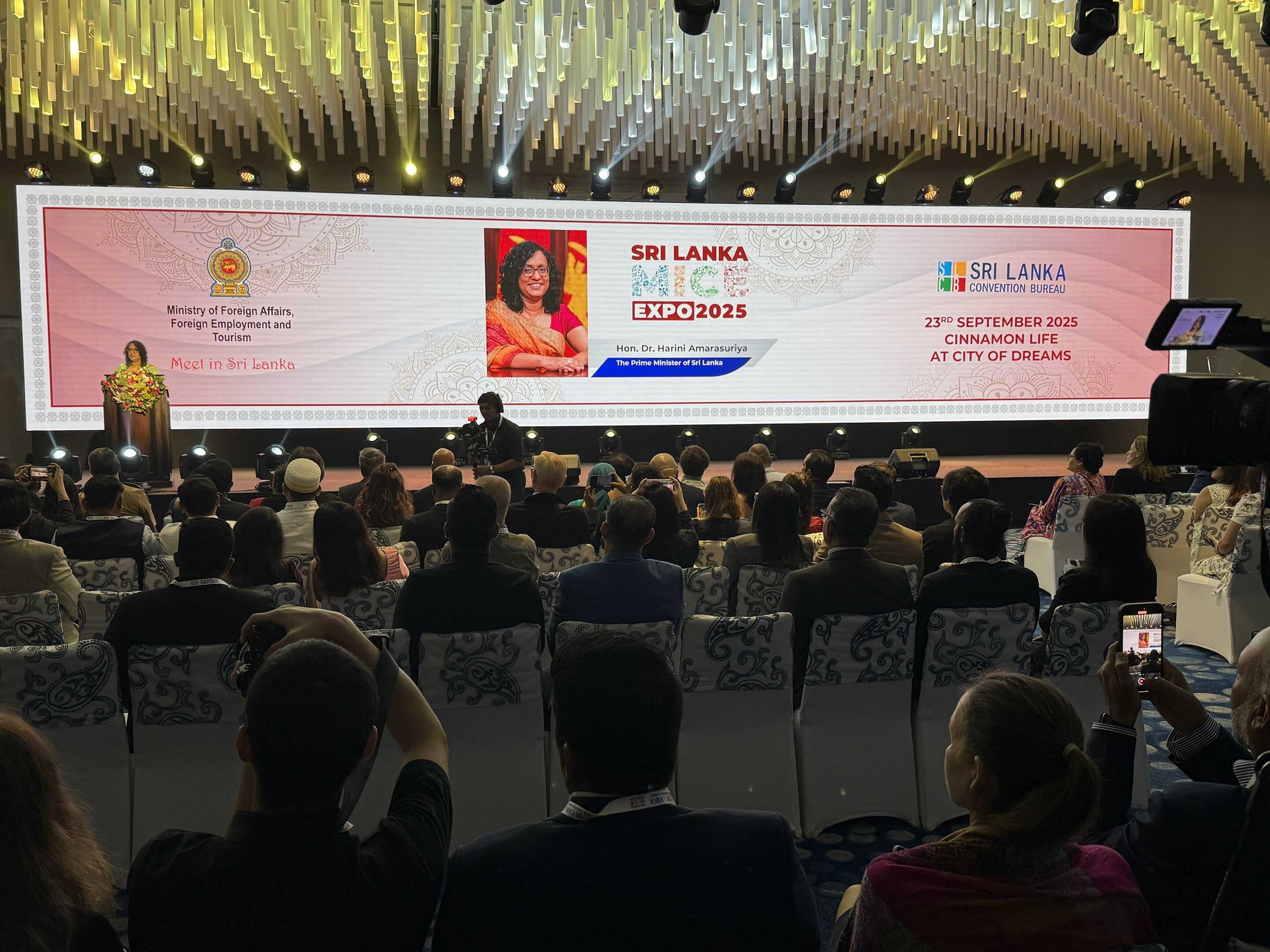
中国经济网9月24日讯 2025年斯里兰卡国际会展博览会(SL-MICE Expo 2025)9月23日在科伦坡举办开幕式。斯里兰卡总理哈里尼·阿马拉苏里亚出席了开幕式并担任主宾揭幕,来自全球30个国家的媒体代表及超115家国际会展、旅游运营商参会,中国买家团的积极参与,成为本次展会深化国际合作的重要亮点。2025年斯里兰卡国际会展博览会开幕式现场。(博悦咨询 供图)据了解,本次SL-MICE Expo 2025由隶属于斯里兰卡外交、外国就业与旅游部的斯里兰卡会展局(SLCB)主办。中国买家团由中国国际商会商业行业商会商务会展产业委员会副主席姚红组织并邀请,她今年受邀成为斯里兰卡会议大使,这次邀请了25位来自中国北京、广州、深圳、杭州等城市的国际和国内协会会议负责人,企业会议采购负责人及品牌旅行社代表,这些买家机构都长期深耕MICE领域,本次他们深度参与了SL-MICE Expo 2025于9月23日举办的B2B洽谈会,与斯里兰卡110余家本地供应商围绕奖励旅游定制、高端小型会议落地等议题展开对接,重点就对两国间航班和国际连锁酒店服务保障、人文风情体验项目开发等细节交换意见,为后续落地MICE合作奠定基础。姚红(左)和斯里兰卡会展局负责人在2025年斯里兰卡国际会展博览会开幕式现场。(博悦咨询 供图)据了解,SL-MICE Expo 2025从9月22日一直持续到9月26日,活动环节丰富,包括9月22日举办的商业论坛,围绕“变革世界中斯里兰卡会展旅游的未来”开展了高级别研讨;9月23日除开幕式与B2B洽谈外,还于港口城举办了融文化和民族风情的沙滩晚宴及表演;9月24日至26日,斯里兰卡会展局还将组织包括中国买家在内国际嘉宾考察斯里兰卡中部地区,实地感受当地世界级会展设施、自然风光与文化遗产。中国买家团代表在2025年斯里兰卡国际会展博览会现场进行商务洽谈。(博悦咨询 供图)斯里兰卡会展局相关负责人表示,中国买家团的参与为展会注入重要合作动能。斯里兰卡正全力打造“亚洲新兴会展枢纽”。在商业活动形态快速演变的当下,2025年斯里兰卡国际会展博览会力求突破“单纯展览”的定位,致力于成为通往独特体验的门户,目前已具备世界级室内外活动场地、豪华酒店及度假村、先进的会议中心,可提供定制化活动解决方案,同时还拥有专业且技能娴熟的从业人员团队提供支持。在为各方创造经济机遇的同时,给所有相关方留下深远影响。期待与中国MICE行业建立长期合作。中国买家团成员也一致认为,此次受邀参会不仅进一步了解了斯里兰卡的资源优势,更明确了将其作为商务会奖旅游的重要目的地,未来将推动更多精准化、高品质的双边MICE合作项目落地。(中国经济网记者 周宇宁)
![]()
招商服务

1. 负责会员单位运营情况信息采集及管理;2. 了解熟悉重点会员单位的招商需求,根据其需求切实做好招商服务工作;3. 招商顾问部的管理制度、运营模式搭建;4. 建立招商渠道;5. 负责各级政府的招商活动及其他政府部门相关活动;6. 组织招商方面培训工作
场地招租
选址需求

查看详情
查看详情
查看详情
查看详情
查看详情
查看详情
查看详情
查看详情



Contact Us
Phone:+86 13801309629
Email:alicia.yao@ime-consulting.com.cn

版权所有:中国商协会大会 京ICP备16065901号-3 技术支持:协伴云
Copyright © 中国商协会大会,CCACC,协商创新
support: 协伴云|商协会管理系统